 Written by
 There’s a quiet shift happening in how people think about preparedness. Not long ago, “survival skills” sounded like something reserved for wilderness experts, military training, or reality TV contestants. Today, more people are beginning to realize that survival skills aren’t about extreme scenarios—they’re about everyday resilience. Whether it’s a natural disaster, a prolonged power outage, or a temporary disruption in supply chains, the ability to adapt, stay calm, and meet your basic needs can make a significant difference. Survival skills are less about doomsday and more about self-reliance, and in a world that doesn’t always go according to plan, that’s becoming increasingly valuable.
Situational Awareness
One of the most fundamental survival skills everyone should learn is situational awareness. This isn’t a physical skill as much as it is a mental discipline. It means paying attention to your environment, noticing what’s normal and what isn’t, and recognizing potential risks before they escalate. In modern life, it’s easy to become distracted—headphones in, eyes on a screen, moving on autopilot. But in a survival situation, awareness is your first line of defense. It can help you avoid danger entirely, which is always better than having to react to it. Developing this skill starts with simple habits: observing exits when you enter a building, being mindful of weather changes, and staying informed about what’s happening in your community.
Remain Calm Under Pressure
Closely tied to awareness is the ability to remain calm under pressure. Panic is one of the most dangerous responses in an emergency. It clouds judgment, wastes energy, and can lead to poor decisions. Learning how to control your breathing, slow your thoughts, and focus on the next right step is a critical survival skill. This doesn’t mean you won’t feel fear—it means you won’t be controlled by it. Techniques like controlled breathing, mental rehearsals, and even basic stress management exercises can help build this kind of resilience. The more you practice staying calm in small, everyday challenges, the more prepared you’ll be when something bigger happens.
Purify Water
Another essential skill is the ability to secure and purify water. The human body can only survive a few days without water, making it one of the top priorities in any survival scenario. While many people assume they can just “find water,” the reality is that untreated water can carry harmful bacteria, parasites, and contaminants. Knowing how to identify potential water sources—like streams, rainwater, or even condensation—and how to make that water safe to drink is crucial. Boiling is one of the simplest and most reliable methods, but filtration systems and purification tablets can also be effective. Understanding these options and having at least one method readily available can be a lifesaver.
Start a Fire
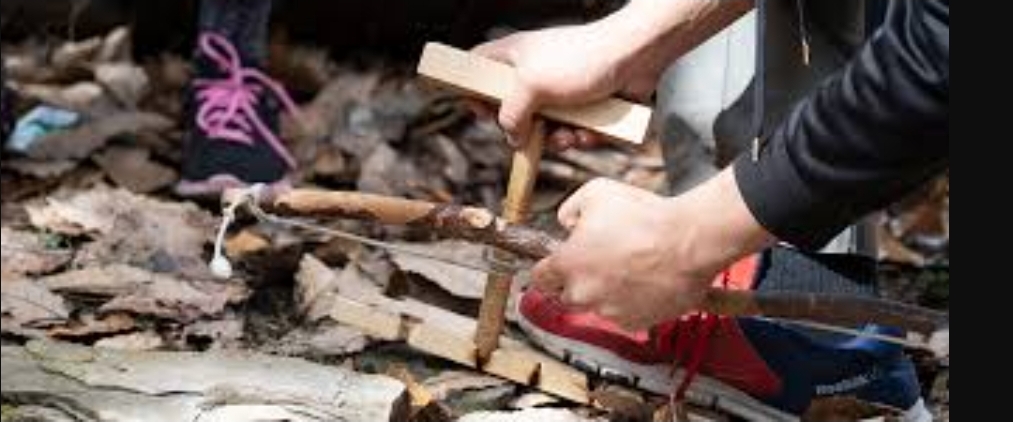
Fire-starting is another cornerstone survival skill that has been essential to human survival for thousands of years. Fire provides warmth, allows you to cook food, purify water, and even signal for help. While starting a fire might seem straightforward, doing so in adverse conditions—rain, wind, or limited resources—can be challenging. Learning multiple methods, such as using a lighter, matches, or a ferro rod, increases your chances of success. Equally important is understanding fire safety: how to build a controlled fire, how to maintain it, and how to extinguish it properly to prevent unintended damage.
Find Food
Food procurement is often romanticized, but in reality, it’s a skill that requires knowledge, patience, and practice. While hunting and fishing are valuable skills, they may not be practical for everyone, especially in urban or suburban environments. However, understanding basic principles—such as identifying edible plants, storing food properly, and rationing supplies—can make a significant difference. Even something as simple as learning how to build a sustainable food reserve at home or growing a small garden can contribute to your overall preparedness. The goal isn’t necessarily to live off the land indefinitely, but to extend your ability to sustain yourself when normal systems are disrupted.
Apply First Aid
First aid is perhaps one of the most immediately applicable survival skills. Injuries can happen at any time, and in an emergency, professional medical help may not be readily available. Knowing how to treat cuts, burns, fractures, and other common injuries can prevent a bad situation from becoming life-threatening. Basic skills like cleaning and dressing a wound, performing CPR, and recognizing signs of infection are invaluable. Taking a certified first aid course can provide hands-on experience and build confidence, ensuring that you’re not just relying on theory when it matters most.
Basic Navigation
Navigation is another critical skill that is often overlooked in the age of GPS and smartphones. While technology is incredibly useful, it’s not infallible. Batteries die, signals are lost, and devices can fail. Being able to navigate using a map and compass—or even natural indicators like the position of the sun—can help you find your way when technology lets you down. This skill is particularly important if you ever need to evacuate an area or travel through unfamiliar terrain. Learning basic navigation doesn’t require advanced training, but it does require practice to become comfortable and effective.
Build Shelter
Shelter-building is another skill that can significantly impact your chances of survival, especially in harsh weather conditions. Exposure to extreme temperatures—whether hot or cold—can be dangerous and even fatal. Knowing how to create a simple shelter using available materials can protect you from the elements and help conserve body heat. This doesn’t mean you need to build a perfect structure; even a basic setup that blocks wind and retains warmth can make a big difference. Understanding your environment and using what’s available to you is key.
Communication
Communication is a skill that becomes incredibly important during emergencies. Being able to signal for help, share information, and coordinate with others can improve outcomes dramatically. This might include using whistles, signal mirrors, or even basic radio communication. In today’s world, it also means understanding how to use your devices efficiently—conserving battery life, sending clear messages, and knowing alternative ways to stay connected when networks are down. Communication isn’t just about reaching out; it’s also about listening and staying informed.
Adaptability
Finally, adaptability may be the most important survival skill of all. No plan survives contact with reality exactly as expected. Conditions change, resources run out, and new challenges emerge. The ability to think critically, adjust your approach, and remain flexible can determine whether you overcome obstacles or become overwhelmed by them. Adaptability is built through experience, learning, and a willingness to step outside your comfort zone. It’s what ties all other survival skills together and allows you to apply them effectively in real-world situations.
In the end, survival skills are not about preparing for a specific disaster—they’re about becoming more capable, more aware, and more self-reliant. You don’t need to master everything at once, and you don’t need to live off-grid to benefit from these skills. Start small. Learn one skill at a time. Practice it. Build on it. Over time, you’ll find that what once seemed intimidating becomes second nature. And in a world full of uncertainties, that kind of confidence is one of the most valuable things you can have.